

PP26 OF THE ITU: REVIEW OF THE AFRICAN COMMON POSITION
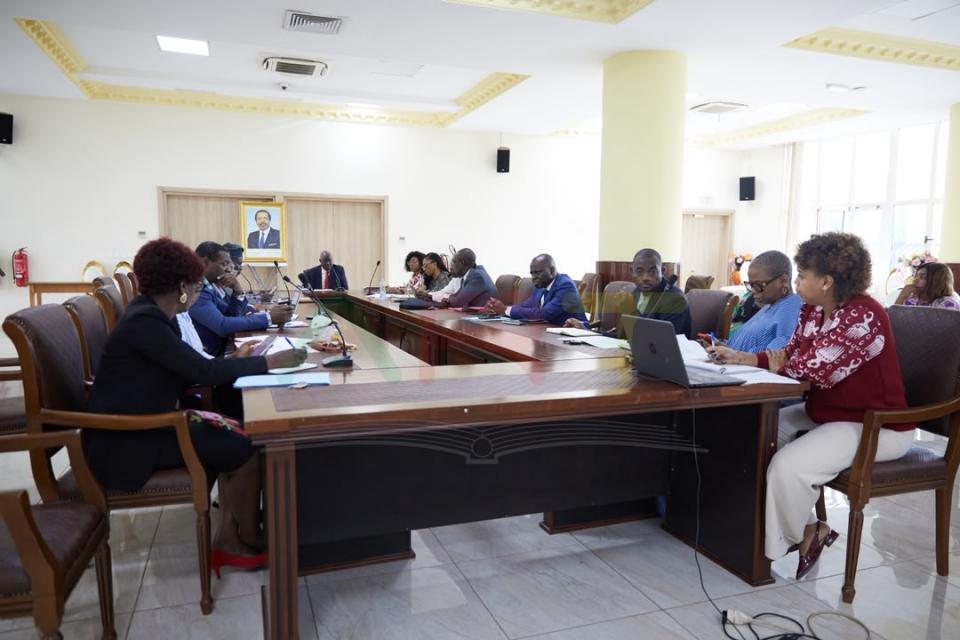
Gathered on 12–13 October 2026 under the chairmanship of Deputy Director General Zourmba Aboubakar, participants gave a favorable opinion on endorsing the African proposals destined for the upcoming ITU Plenipotentiary Conference in Qatar this November.
On 12 and 13 October 2026, the multipurpose hall of the Platinum Building hosted deliberations of genuine strategic importance for Cameroon’s positioning in global telecommunications governance. Chaired by the Deputy Director General of the Telecommunications Regulatory Board (TRB), Zourmba Aboubakar, the sessions focused on examining the African common proposals for the ITU Plenipotentiary Conference, known as PP26.
These meetings responded to a request from the Secretary General of the African Telecommunications Union (ATU), who invited member states to endorse the proposals ahead of the conference, scheduled in Doha, Qatar, from 9 to 27 November 2026. As the ITU’s supreme authority, the Plenipotentiary Conference convenes every four years to set the organization’s major orientations, adopt its strategic plan, and elect its principal officials. The decisions taken there shape the evolution of the sector worldwide.
The proposals under review had been finalized in Abidjan from 15 to 17 September 2026, during the fourth African preparatory meeting. They comprise forty revised resolutions, six maintained without amendment, and three new draft resolutions — forty nine texts in total, reflecting the continent’s priorities for the years ahead.
The stakes of this exercise go far beyond administrative formality. In Doha, Africa intends to speak with one coherent and audible voice, which requires each member state to have examined the texts, assessed their implications, and confirmed its support. For Cameroon, the objective was to ensure that the African common position remains compatible with national interests, while strengthening the continent’s collective weight in negotiations.
It was with this perspective that the 12–13 October deliberations were conducted: a methodical analysis of all texts to gauge their scope and consequences for the country, under the direction of TRB’s Deputy Director General, whose leadership of the session underscored the institution’s commitment to the matter.
At the close of two days of exchanges, a favorable opinion was issued for endorsing all the resolutions reviewed. Some reservations were expressed, yet participants agreed they did not warrant Cameroon diverging from the African common position. This outcome illustrates a constant balance in multilateral diplomacy: voicing national concerns without undermining regional unity.
The opinion resulting from this session must now be conveyed to the competent authorities to formalize Cameroon’s endorsement of the African proposals and communicate it to the ATU within the required timeframe. Preparations for Cameroon’s participation in PP26 can then continue, with the aim of defending in Doha, alongside other African states, positions that are concerted and firmly substantiated.
Through this process, the Regulator reaffirms its commitment to actively supporting Cameroon’s presence in the major international forums that shape the future of telecommunications and the digital sphere.
ESMA